
A Journey Through Japan
A trip for every generation — from the energy of Tokyo to the quiet of a Kyoto garden.
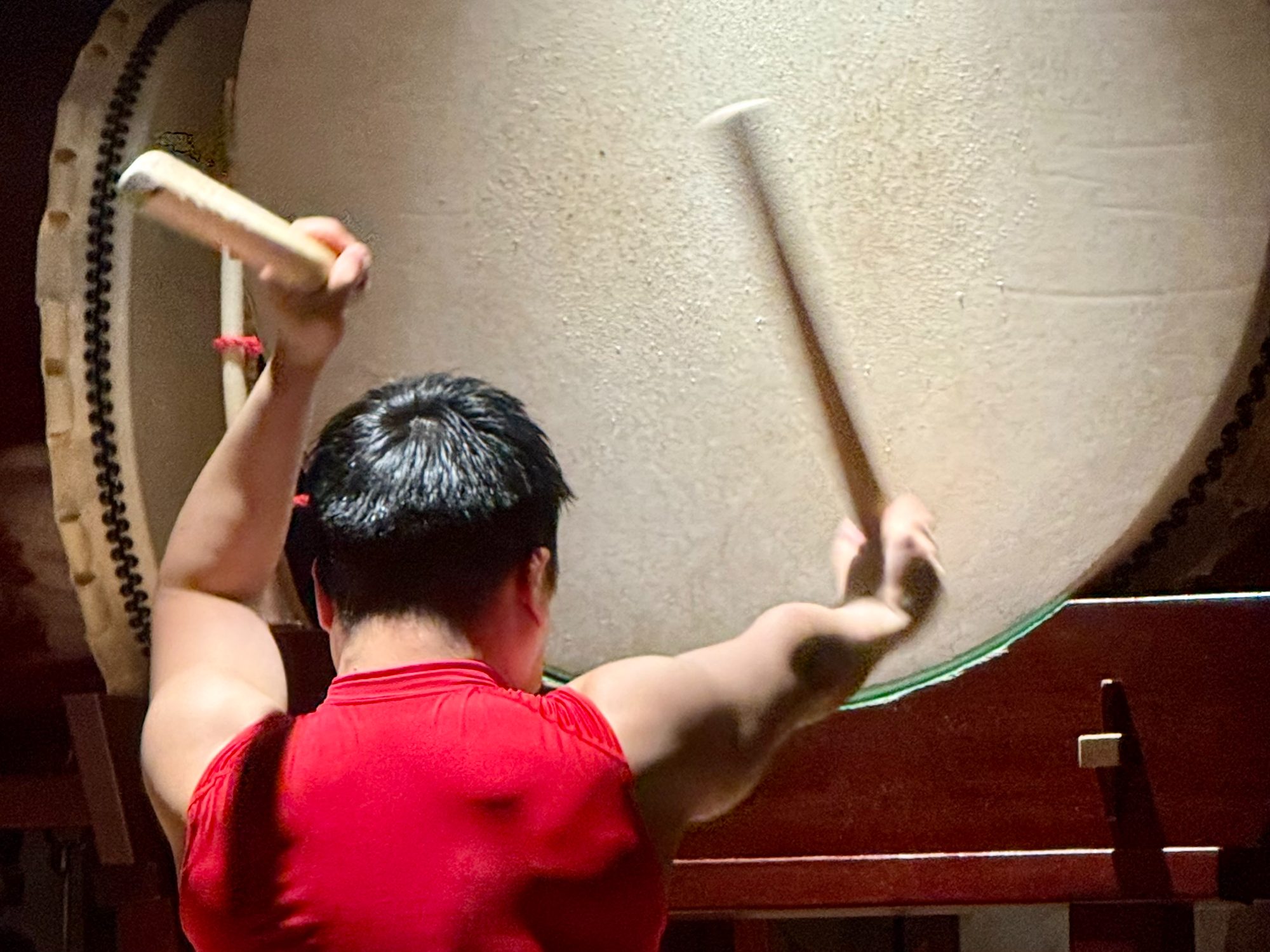
Japan is a wonderful destination for families and multigenerational groups because it never asks everyone to be interested in the same thing.
In Tokyo, you can move from ancient temples to some of the most futuristic experiences in the world in the same day. Hakone brings mountain scenery, hot springs and views of Mount Fuji. Hiroshima and Miyajima add history and beautiful scenery, while Kyoto slows the pace down with temples, gardens and centuries-old traditions.
The variety is what makes the trip work.
Tokyo is enormous, but the best way to experience it isn't necessarily to try to see all of it.
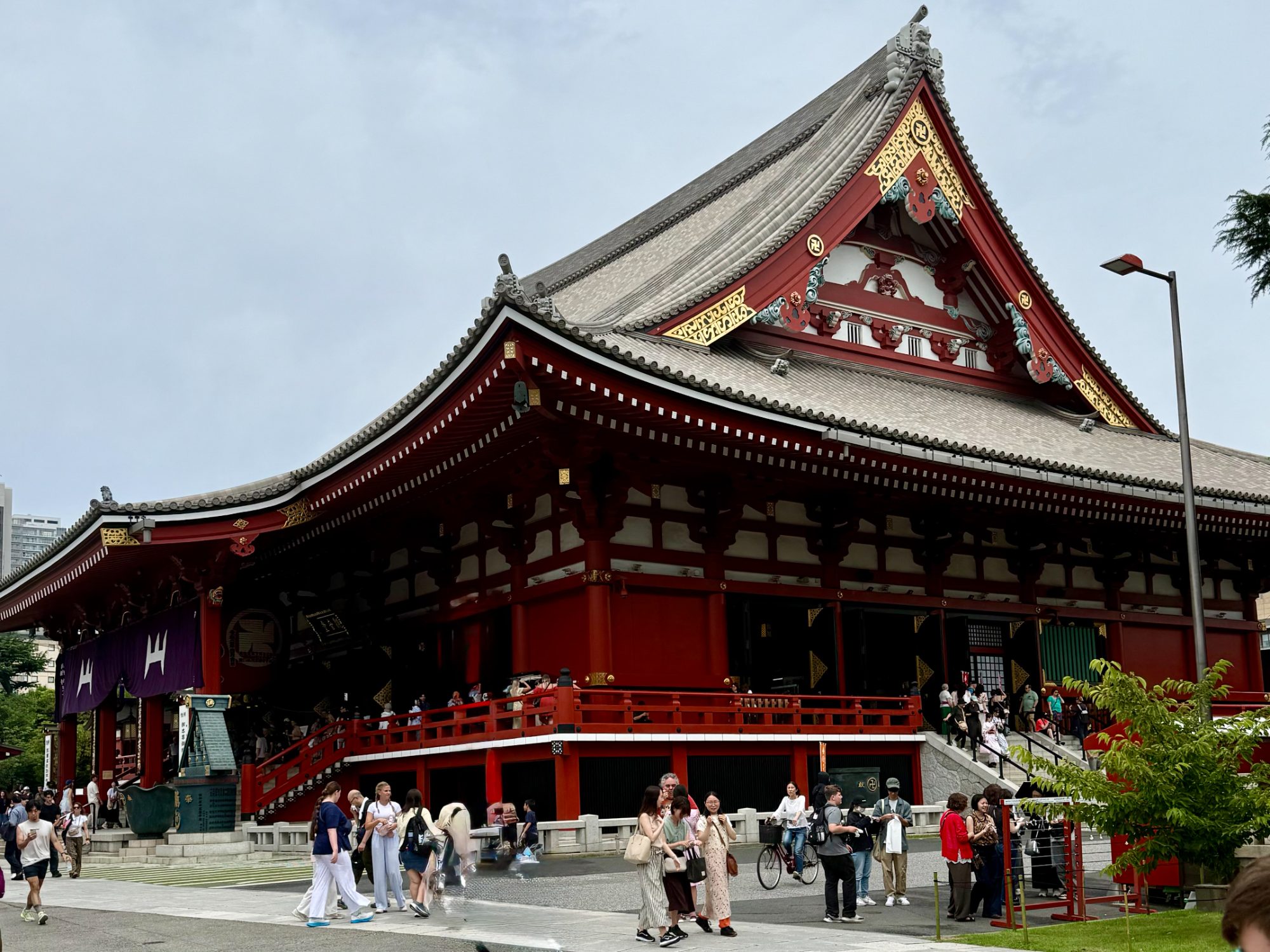
In Asakusa, the city feels distinctly traditional. Senso-ji and the surrounding streets offer a glimpse of old Tokyo, and a rickshaw ride is a fun way to explore the neighborhood while taking in its architecture and history.
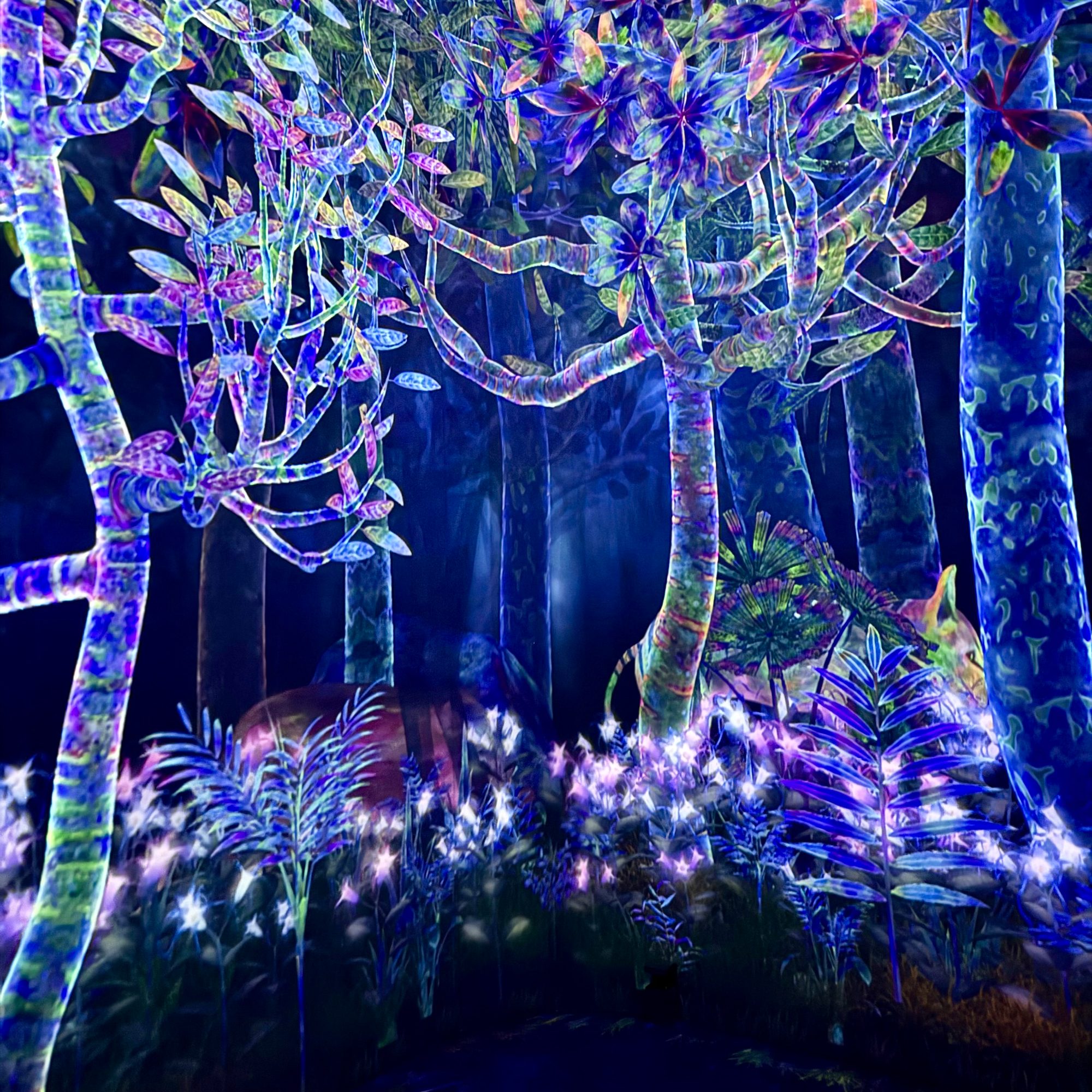
Then the experience can shift completely. Tokyo's modern side is everywhere — from the organized chaos of Shibuya Crossing to the immersive world of teamLab Planets.
That contrast is one of the things I love about Japan. You aren't moving between destinations to find different experiences. They are all right there, often within the same city.
After the intensity of Tokyo, Hakone offers a welcome change of pace.
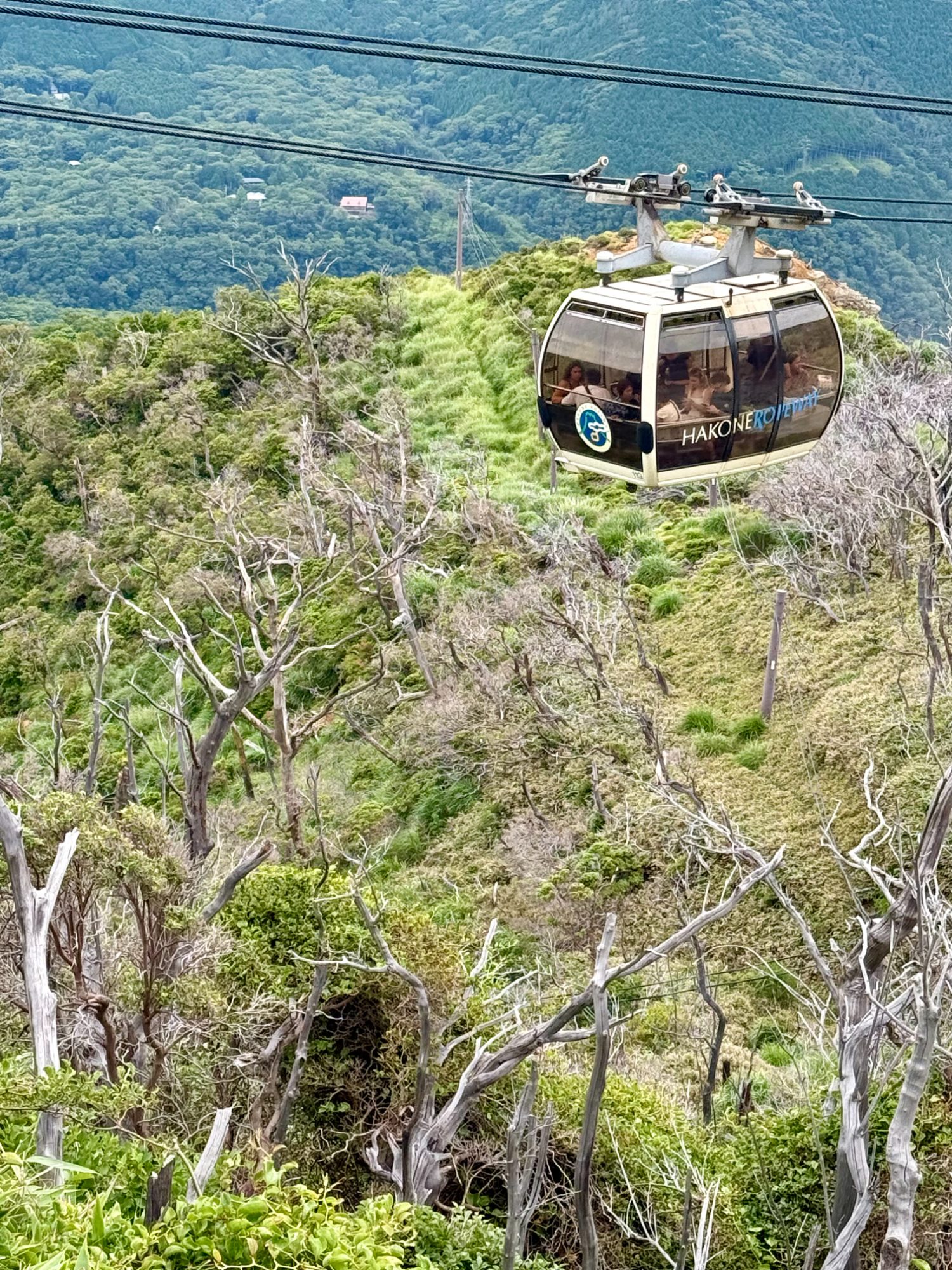
This is where the landscape becomes part of the experience. The Hakone Ropeway travels over the volcanic landscape of Owakudani, where you can see the steam rising from the earth, and the views from the area can stretch all the way to Mount Fuji on a clear day.
A ride across Lake Ashi adds another perspective, with the mountains rising around the water.
The Hakone Open-Air Museum is another highlight, combining sculpture with an incredible mountain setting. Rather than walking through a traditional indoor gallery, you spend time outside among the artwork, with the surrounding landscape becoming part of the experience.
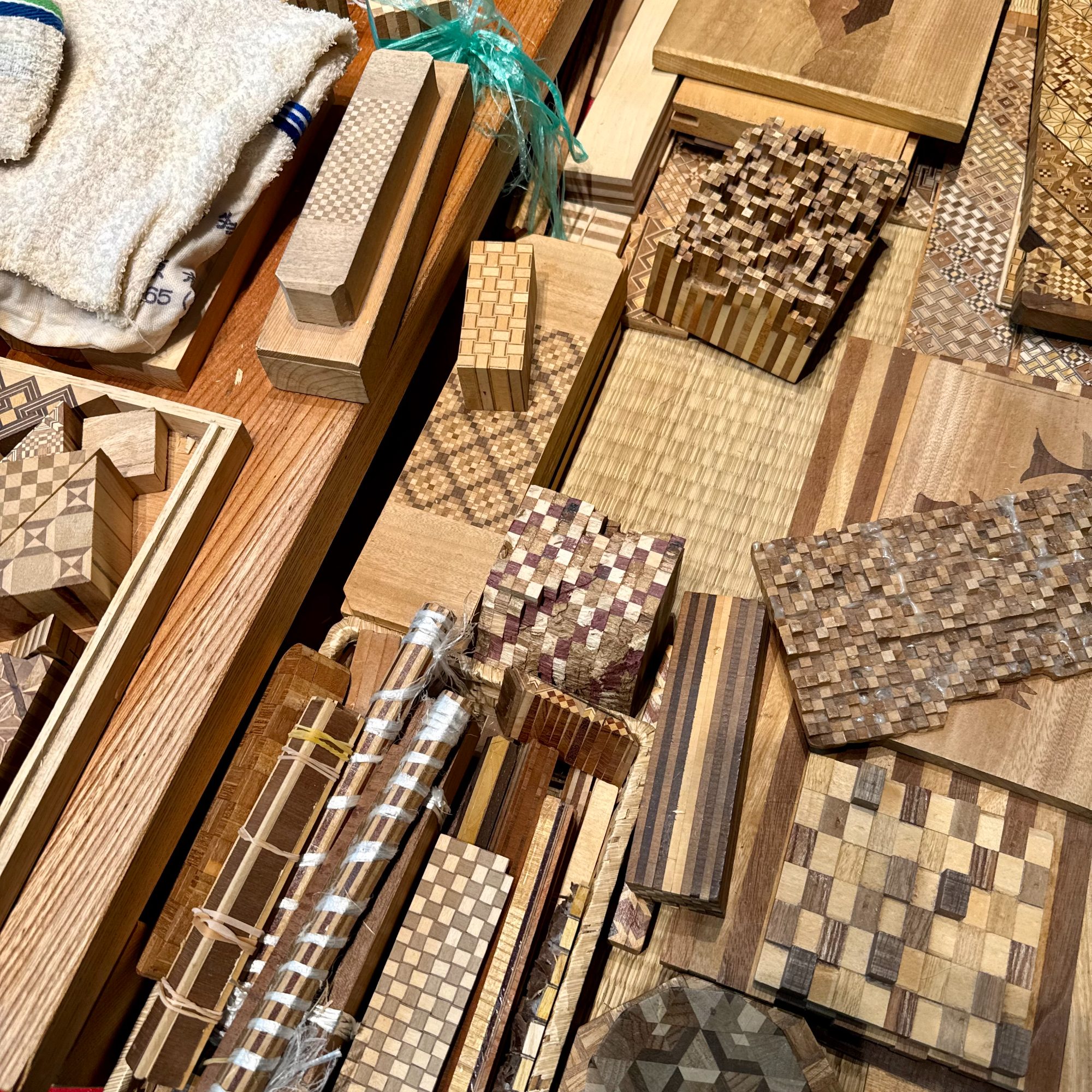
And Hakone is also where the trip can become a little more playful. Making a traditional Japanese puzzle box gives you the chance to learn about a craft that is closely associated with the region — and leaves you with something you actually made yourself.
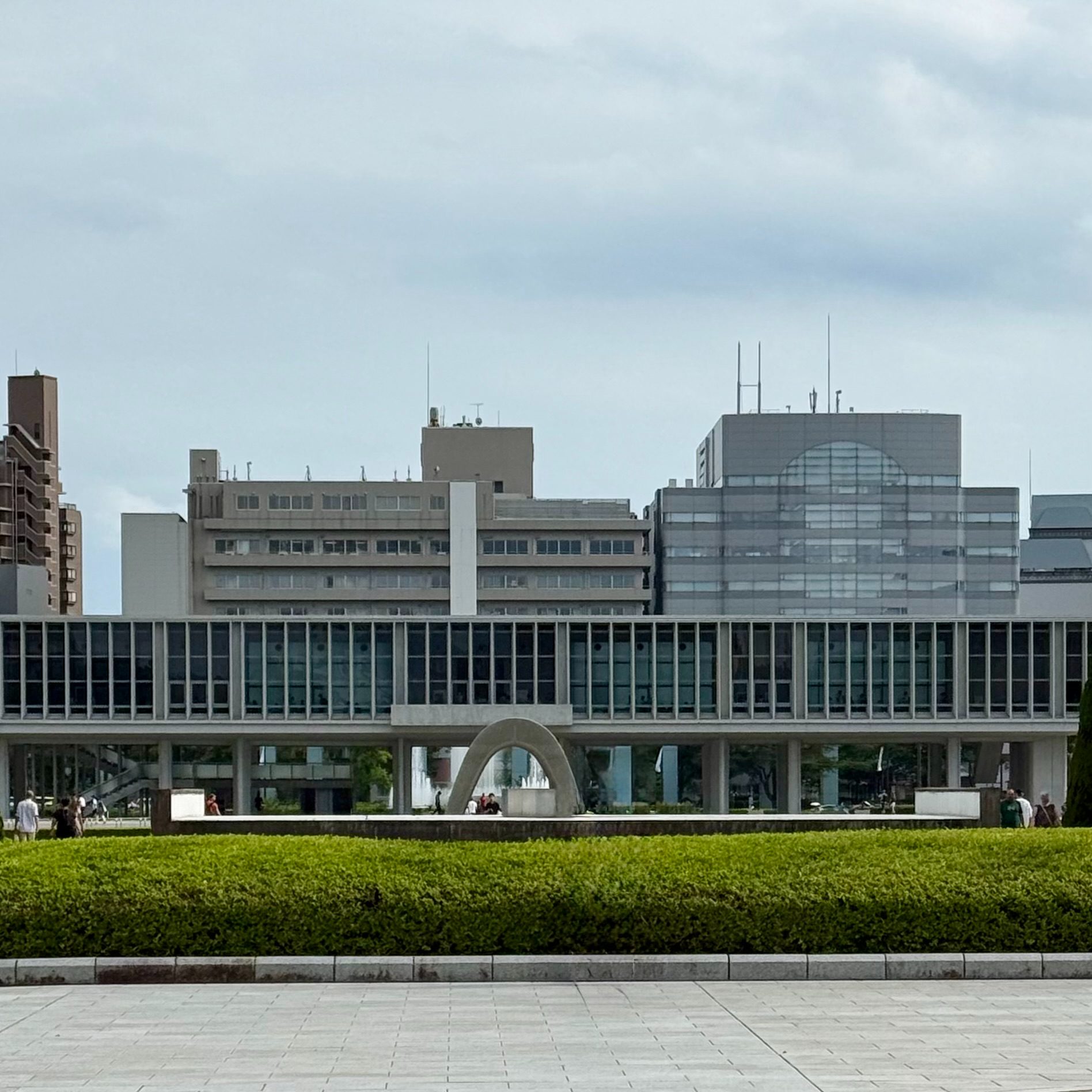
Hiroshima changes the tone of the trip.
The Peace Memorial Park and Genbaku Dome are powerful reminders of the city's history, and the experience brings a different kind of depth to a trip that has otherwise been filled with beauty, food and discovery.
Then, just a short journey away, Miyajima feels almost like another world.
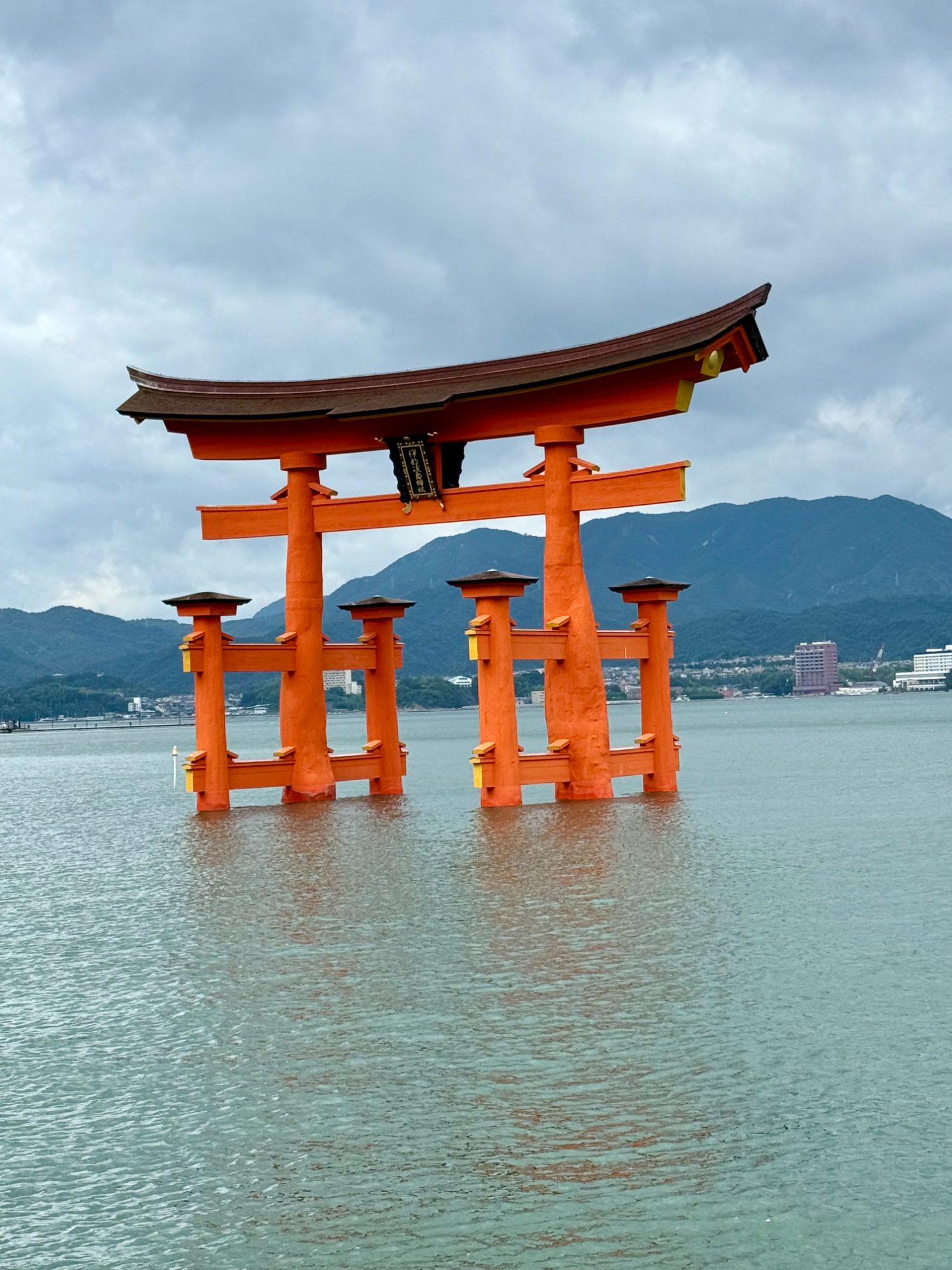
The island's famous torii gate rises from the water in front of Itsukushima Shrine, while deer wander through the streets and the surrounding mountains frame the island. It is one of those places where the setting is every bit as memorable as the landmark itself.
Together, Hiroshima and Miyajima provide a meaningful combination of history, culture and some of the most beautiful scenery of the trip.
Kyoto feels very different from Tokyo.
The pace is slower, the architecture is older, and the city is filled with places where Japanese traditions are still very much part of everyday life.
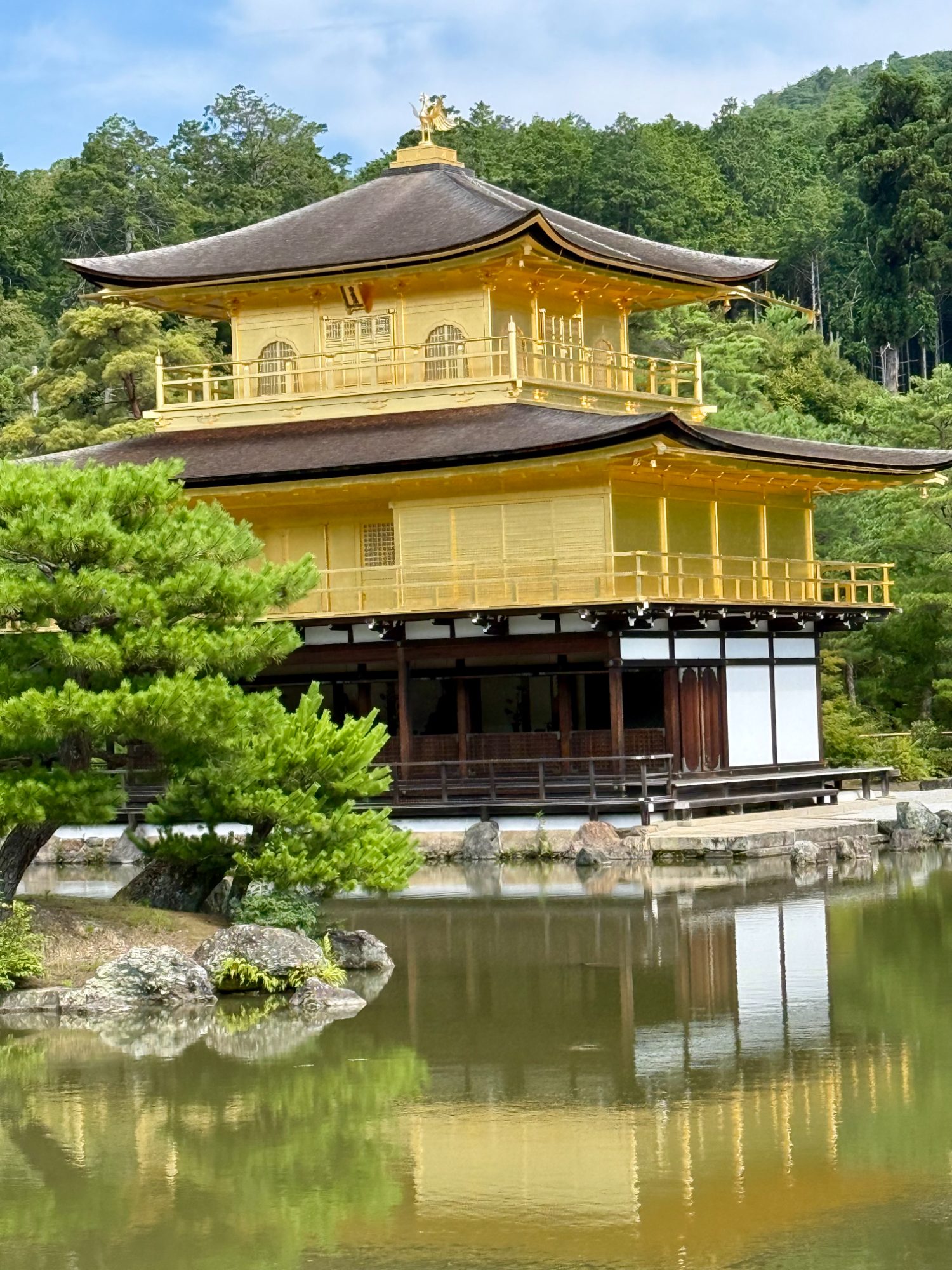
The Golden Pavilion is one of the city's most recognizable sights, but Kyoto is best experienced beyond the famous landmarks. Wandering through historic neighborhoods, visiting temples and gardens, and spending time in places like Gion gives you a sense of the city that a checklist of attractions can't quite capture.
The cultural experiences are equally important. A tea ceremony, calligraphy lesson and yuzen dyeing experience offer a closer look at traditions that can otherwise feel distant to a visitor.
Rather than simply seeing Japanese culture, you get to spend some time participating in it.
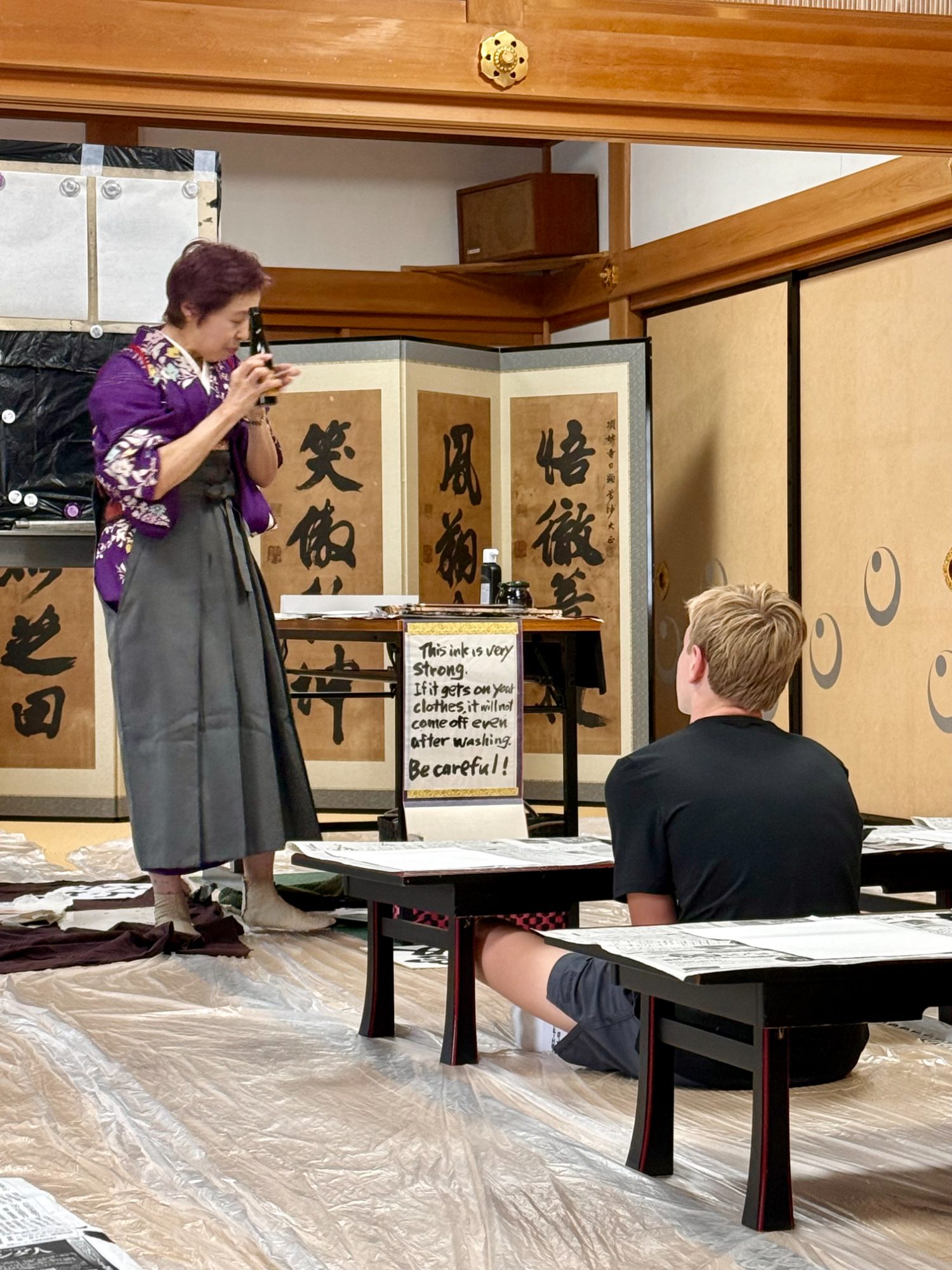
A family trip to Japan doesn't have to revolve around finding activities that everyone will like equally.
Instead, the beauty is in having enough variety that everyone finds something that stays with them.
One person may remember the excitement of Tokyo. Another may remember seeing Mount Fuji from Lake Ashi. Someone else may come home talking about the tea ceremony, the puzzle box they made in Hakone, or the first time they saw the Golden Pavilion.
And then there are the moments that don't belong to any one traveler — the rickshaw ride through Asakusa, sharing a meal after a long day, or standing together in front of a view that looks nothing like home.
That's what makes Japan such a rewarding multigenerational destination. You don't have to travel the same way to experience the same journey.
Dreaming of your own Japan?
Tell me a little about your travelers and your hopes, and I'll personally be in touch.
Start your inquiry
Private, custom-curated journeys for families and couples. People. Places. Possibility.