
Fire, Ice & the Aurora
Iceland in early March — when snow-dusted landscapes meet the long, golden light of the coming spring.
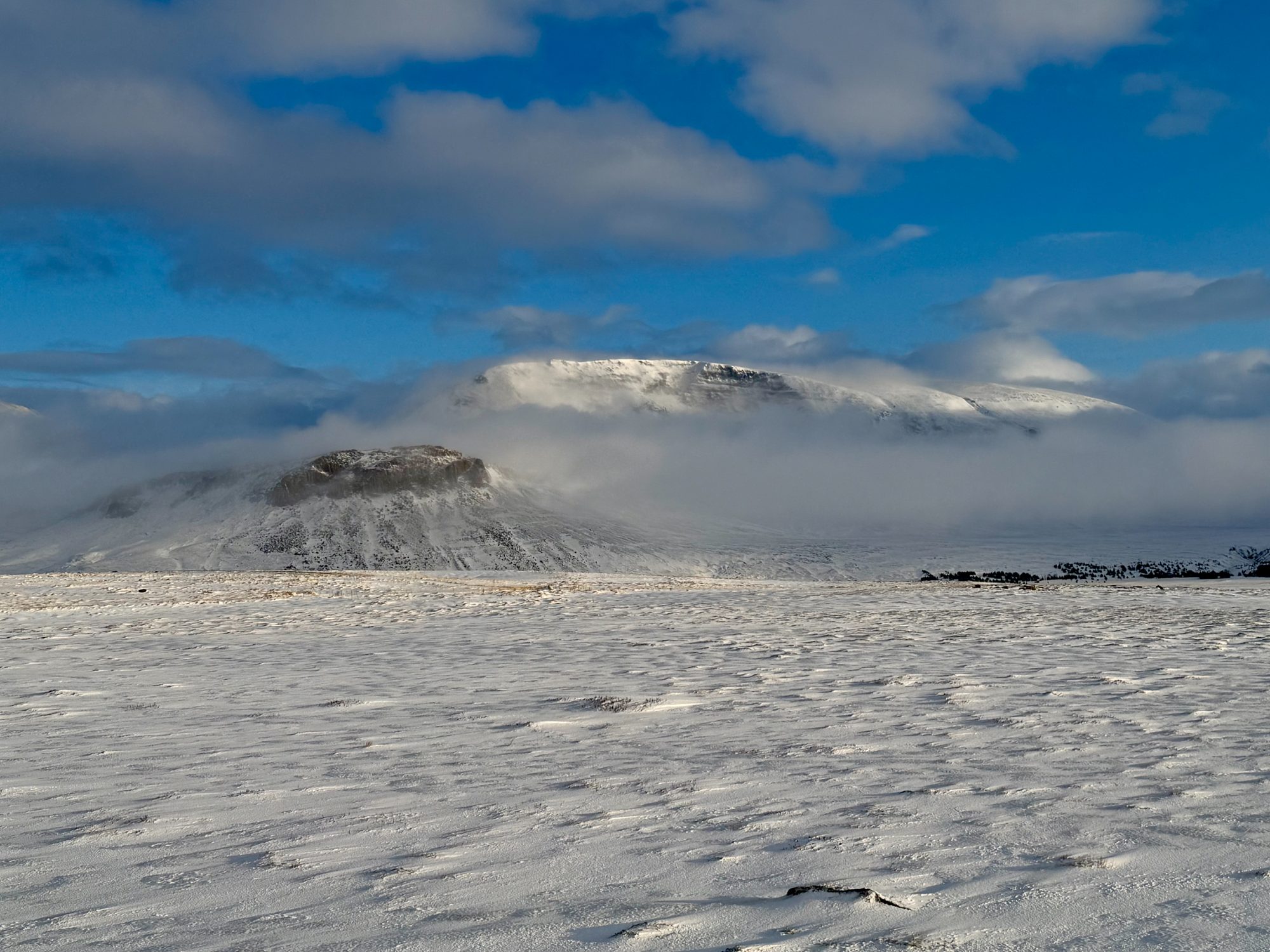
Iceland is a destination where the season shapes the experience. In early March, winter still has its hold on the landscape, but the days are beginning to lengthen, bringing softer light and more time to explore. The nights remain dark enough for the possibility of the Northern Lights, while the landscape retains its winter drama.
For a five-day journey, I would embrace that sense of transition rather than try to see all of Iceland at once. A well-chosen home base, a handful of extraordinary experiences, and enough flexibility for the weather to influence the day create an itinerary that feels immersive without feeling rushed.
For travelers coming from the Carolinas, Iceland is closer than it appears on the map. Icelandair’s nonstop service from Raleigh-Durham makes the journey remarkably straightforward, and the Saga Premium cabin offers a comfortable start to the trip.
That ease is particularly valuable on a shorter itinerary. With no connection to navigate, you can arrive in Reykjavík and settle into the rhythm of the city rather than spending the first day recovering from the journey.
For a short stay, I prefer to let one well-chosen hotel become part of the experience rather than moving from place to place.
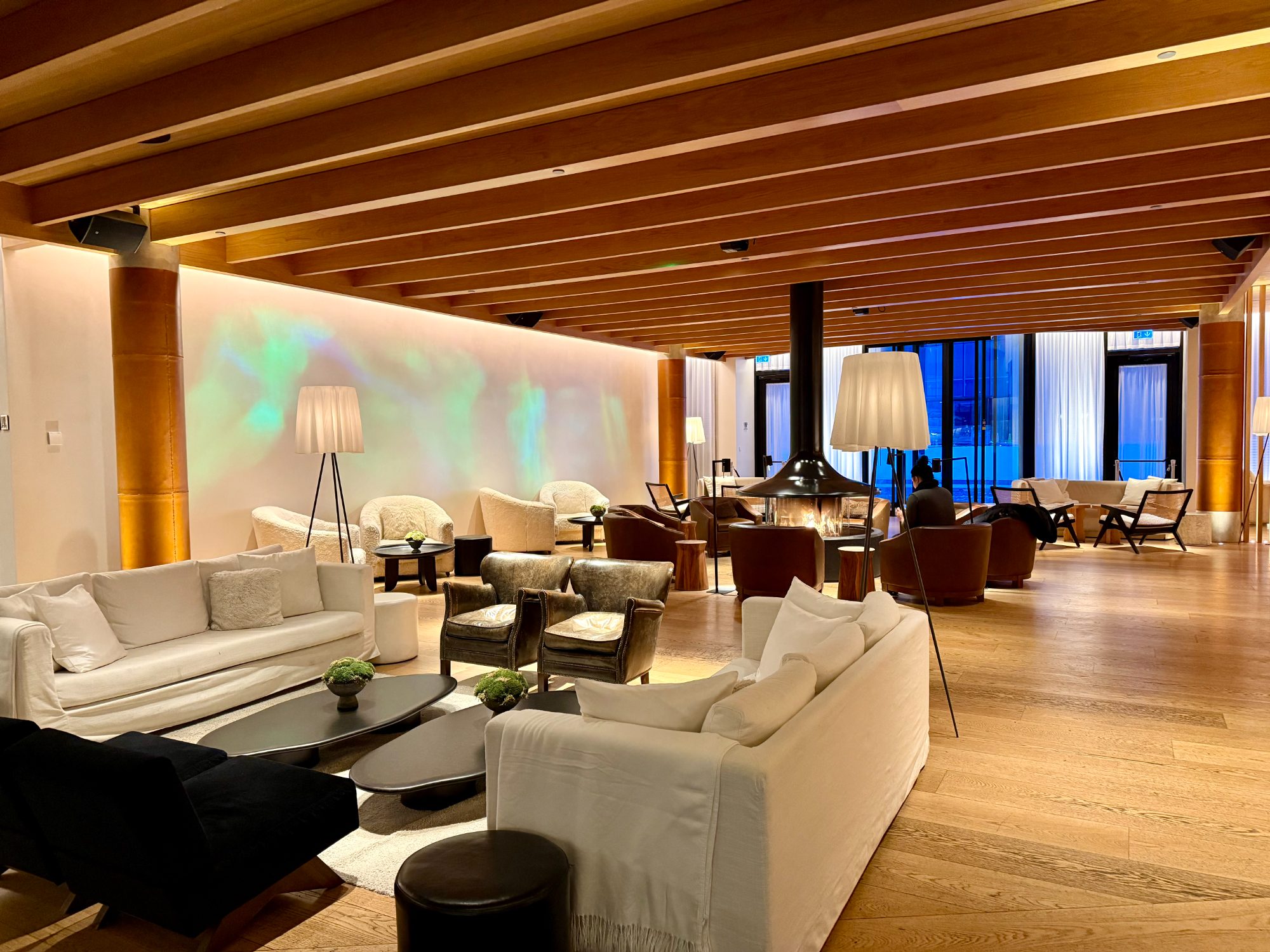
The Reykjavik EDITION is an elegant home base in the center of the capital, with the city close at hand and a warm, considered atmosphere to return to after a day outdoors. Its moody Nordic interiors and floor-to-ceiling windows feel particularly fitting in March, when the changing light becomes part of the landscape.
It creates the kind of contrast that makes a journey in Iceland work: dramatic days outside, followed by somewhere comfortable and quietly luxurious to come back to.
The weather is always part of an Iceland itinerary. In March, that can be a challenge — or an opportunity.
Rather than building a rigid schedule around every stop, the most rewarding journeys leave some room to follow the conditions. A clear morning might call for a longer day along the South Coast. A change in weather might make Reykjavík, a geothermal experience, or a slower afternoon the better choice.
For travelers who enjoy the freedom of the open road, a capable 4x4 offers independence and flexibility. For those who would rather take in the scenery than navigate Icelandic winter roads, a private driver-guide allows the landscape to remain the focus.
The best choice isn’t about which is more adventurous. It’s about how you want to experience the country.
The magic of Iceland comes from the contrast between its experiences. The itinerary doesn’t need to be packed; it needs to have the right rhythm.
Snorkeling between continents
At Þingvellir National Park, the Silfra Fissure offers an extraordinary perspective on Iceland’s geology. Floating through crystal-clear glacial water between the North American and Eurasian tectonic plates is an experience that feels both adventurous and otherworldly.
It is the kind of experience worth including not simply because it is unusual, but because it gives you a completely different way to encounter the landscape.
The South Coast
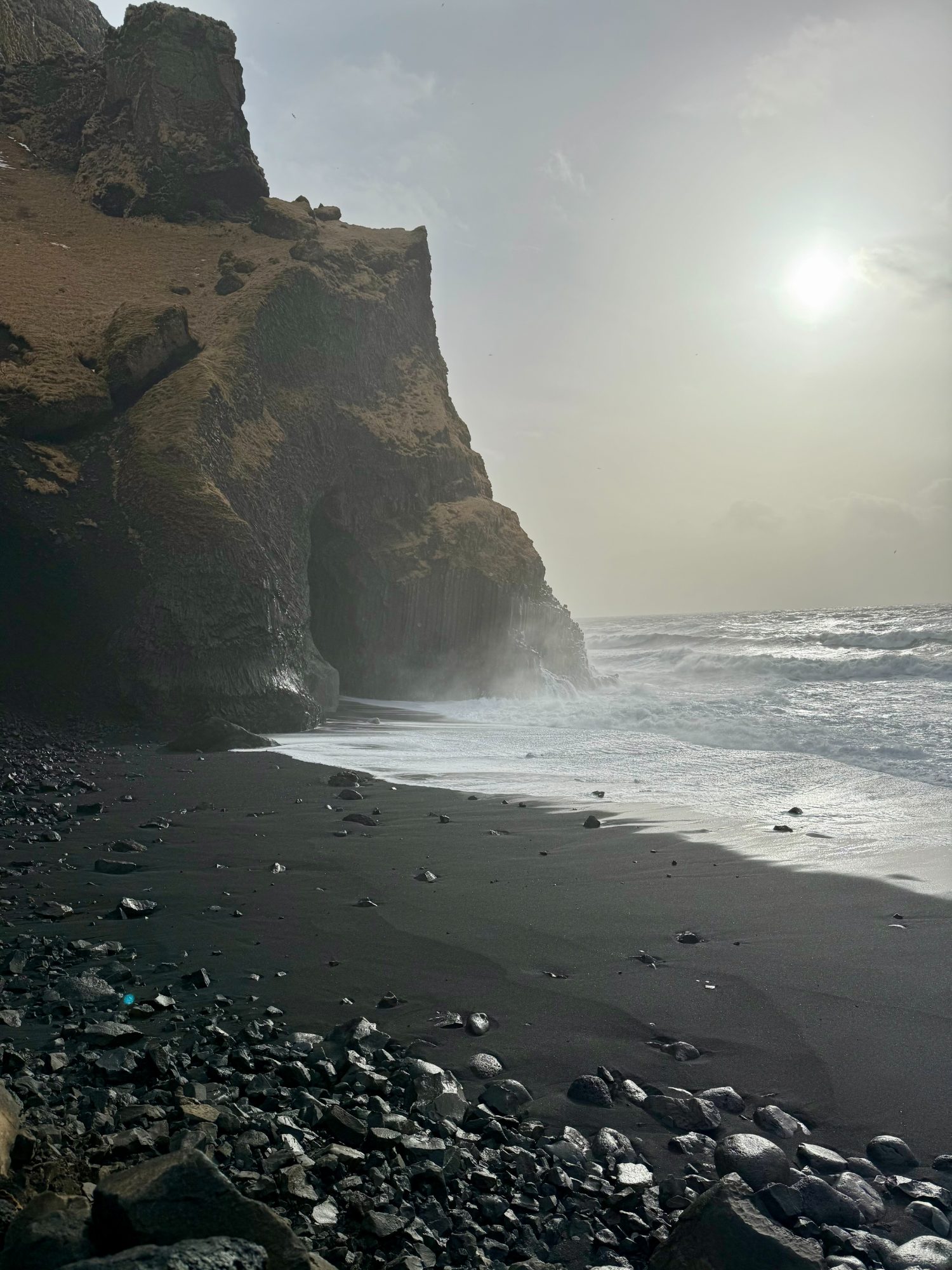
The South Coast brings together many of Iceland’s signature landscapes in a single day: waterfalls plunging from the cliffs, black sand stretching beneath enormous skies, and a coastline shaped by forces that feel almost elemental.
Seljalandsfoss and Skógafoss each offer their own perspective on Iceland’s waterfalls, while Reynisfjara brings the drama of the Atlantic to the foreground.
In winter, the South Coast is also where flexibility matters most. Rather than racing from one sight to the next, the day is better designed around a few memorable places, with room to stop when the landscape deserves more than a passing glance.
The Sky Lagoon
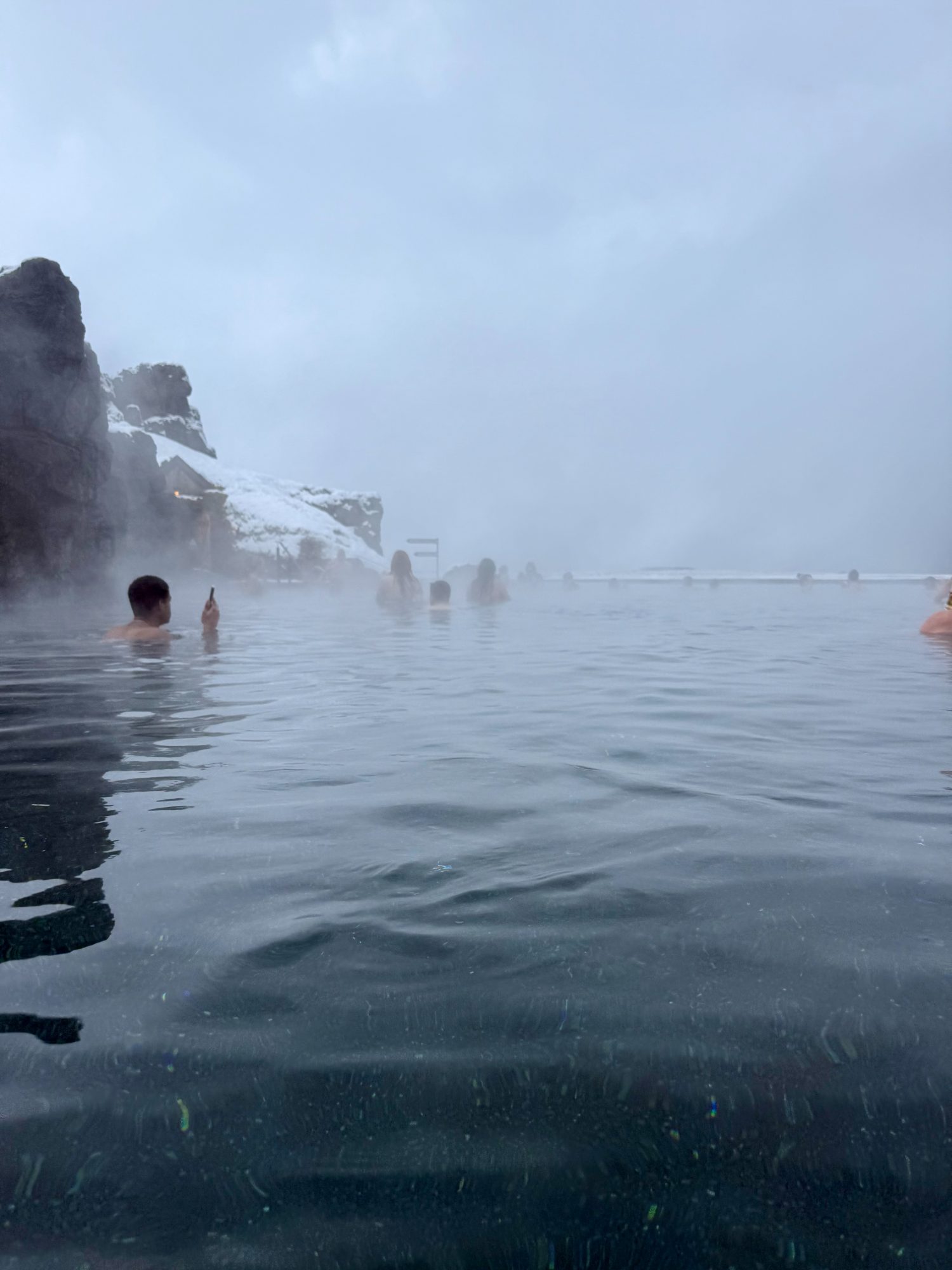
After a day spent in the elements, the most luxurious experience may be one that requires you to do very little.
At the Sky Lagoon, warm geothermal water stretches toward the Atlantic horizon, creating a natural counterpoint to Iceland’s colder, wilder landscapes. A private changing suite adds another layer of ease, turning a soak into something closer to a ritual than a simple stop along the way.
Not every experience needs to be dramatic.
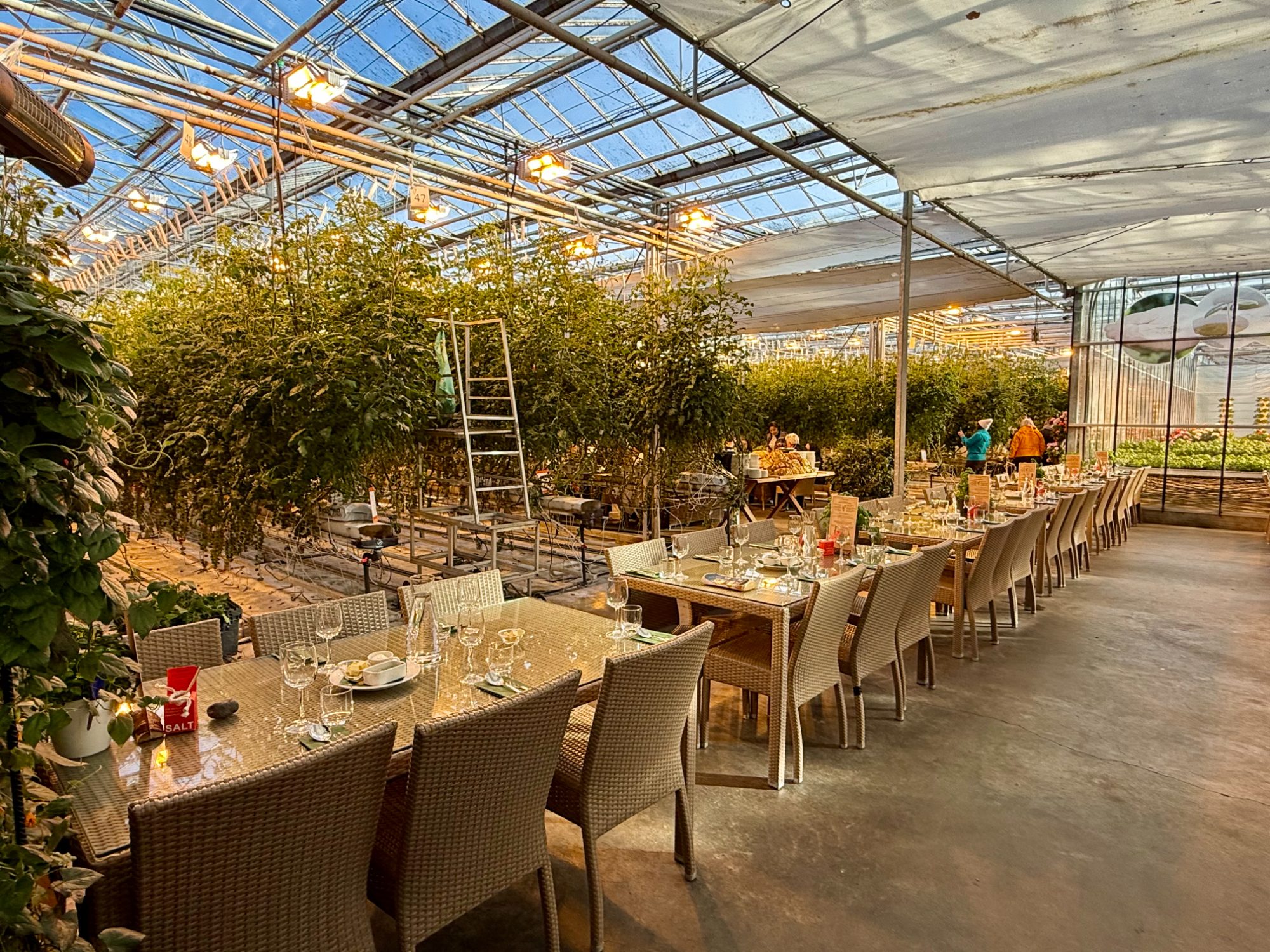
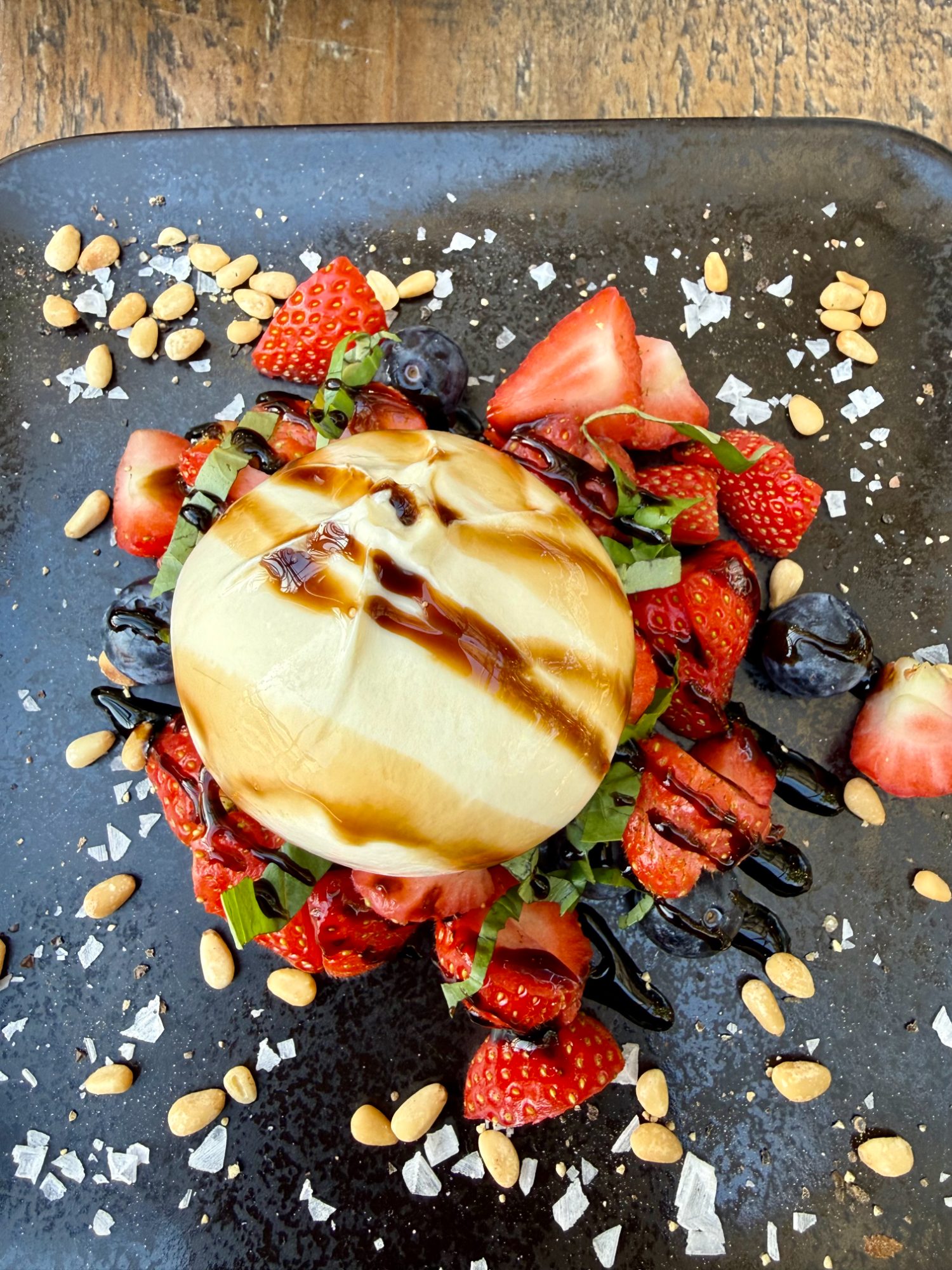
At a geothermal greenhouse such as Friðheimar, the warmth of the growing environment offers a striking contrast to the winter landscape outside. It is a glimpse into the resourcefulness of Iceland — and a welcome change of pace between days spent chasing waterfalls and landscapes.
These quieter experiences are important in a short itinerary. They give the journey texture.
No winter journey to Iceland would be complete without leaving room for the aurora.
But the Northern Lights are not an attraction that can be scheduled. They arrive on their own terms, when solar activity, weather, darkness, and a little luck happen to align.
That is why I prefer to build the possibility into the journey rather than make it the entire reason for the trip. An evening with a knowledgeable guide can follow the best conditions, taking you beyond the city lights in search of a clear, dark sky.
There is something wonderfully fitting about the experience. You leave Reykjavík without knowing exactly what the night will bring, and you wait.
When the lights finally appear, even briefly, the anticipation makes the moment feel that much more extraordinary.
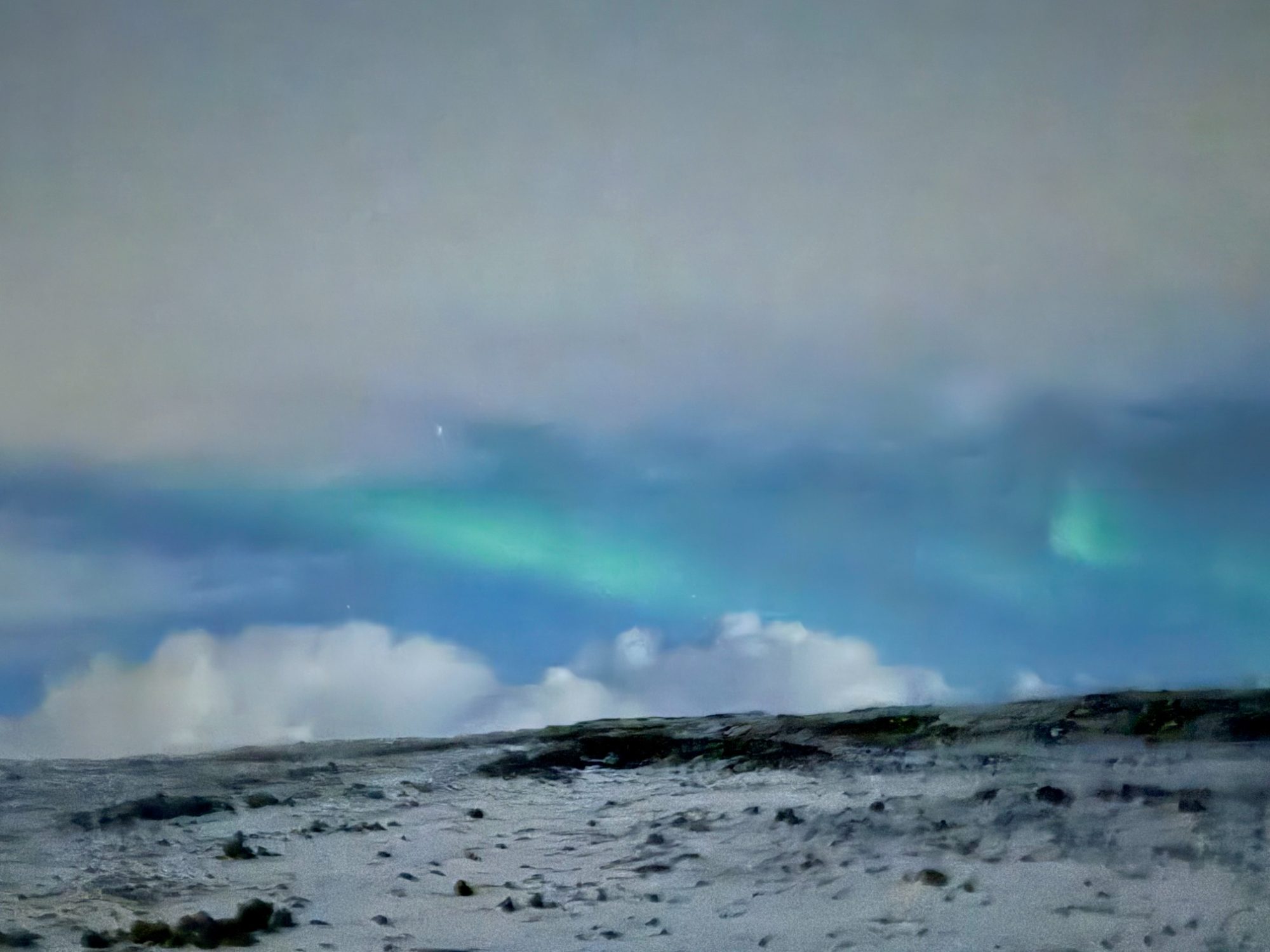
A guest that arrives on its own terms — the aurora over the dark March horizon.
Stay in fewer places, leave room for the weather, and make every transit as deliberate as the stay itself. Done that way, it stops being a trip and becomes an immersion.
Dreaming of your own Iceland?
Tell me a little about your travelers and your hopes, and I’ll personally be in touch.
Start your inquiry
Private, custom-curated journeys for families and couples. People. Places. Possibility.